

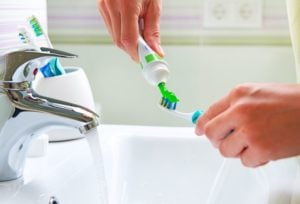
 We’re confronted with dozens of choices of toothpaste when we go shopping. They all say they keep your teeth clean and prevent cavities. Others say they help whiten, reduce gum disease, help with teeth sensitivity, or use natural ingredients. Does it really matter what kind of toothpaste you use? *Quick answer: yes, yes it does.
It matters what kind of toothpaste you buy, because certain ingredients are necessary in order to maintain a healthy mouth and cavity-free teeth. Knowing the facts behind some basics of toothpaste can help you make a better-informed decision about what kind of toothpaste to buy.
What’s in Toothpaste?
Nearly all toothpastes contain these ingredients:
- Fluoride – This strengthens teeth to prevent tooth decay and can sometimes remineralize enamel in the beginning stages of tooth decay.
- Humectants – Prevents water loss in the toothpaste.
- Abrasive agents – These help to remove surface stains on the teeth.
- Coloring agents and binders – Helps the toothpaste retain its consistency and formula.
- pH buffers – helps balance the pH balance of the toothpaste to make it more efficient at cleaning
- Foaming agents – Help to break down plaque and make it easier to brush off the teeth.
- Flavoring agents – Sugars or sugar alcohols that help improve taste, usually making toothpaste mint-flavored.
What Ingredients are Good
Fluoride is the single most important ingredient in a toothpaste. Fluoride helps rebuild weakened tooth enamel and reverses early signs of tooth decay. When you use a fluoride toothpaste, the fluoride is applied to the surface of your teeth and the rebuilding starts.
Another important group of ingredients is pyrophosphates, which help prevent build-up of calculus on the teeth, which can eventually harden into plaque and then lead to tooth decay. These are usually labeled as “tartar fighting” toothpastes.
* Helpful tip: If you need a tooth sensitivity toothpaste, look for ingredients such as “strontium chloride” and “potassium nitrate.” This works to calm the nerve of the tooth and make it less painful to ingest hot or cold things.
If you’re looking for a whitening toothpaste, keep in mind that the abrasive ingredients will only remove surface stains, not ones that are years old. Those will require different treatments, such as bleaching ones done by a dentist or whitening strips or trays. If you’re looking for dental whitening services in the Pensacola area, call us today at (850) 542-4428.
What to Avoid in a Toothpaste
While we all want whiter teeth, getting that from your toothpaste may not be the best idea. Some whitening toothpastes contain abrasive materials that are meant to remove surface stains from the teeth can actually wear down enamel and cause teeth sensitivity. You may then end up needing a toothpaste for tooth sensitivity.
For children, it may be tempting to get them a toothpaste that is flavored and tastes sweet to get them to brush their teeth routinely. But too much sugar is bad for the teeth and can cause decay and cavities, so steer clear of any overtly sugary toothpastes for kids. The most important ingredient in toothpaste for kids (and adults alike) is fluoride, as it helps fight plaque and cavities.
If you want to use a natural toothpaste, be careful. While you may be avoiding some irritating chemicals, these toothpastes may not be cleaning your teeth or preventing cavities. A lot of natural toothpastes do not contain fluoride. Treat natural toothpastes like you would an herbal supplement–know that it is not regulated or approved by health or dental governing bodies. One way to ensure you’re getting a quality toothpaste without unnecessary additives is to look for the American Dental Association seal of acceptance on whatever toothpaste you choose to purchase. The ADA has strict requirements to issue their seal, and only those with beneficial ingredients will receive it.
When Your Teeth Start Talking Back
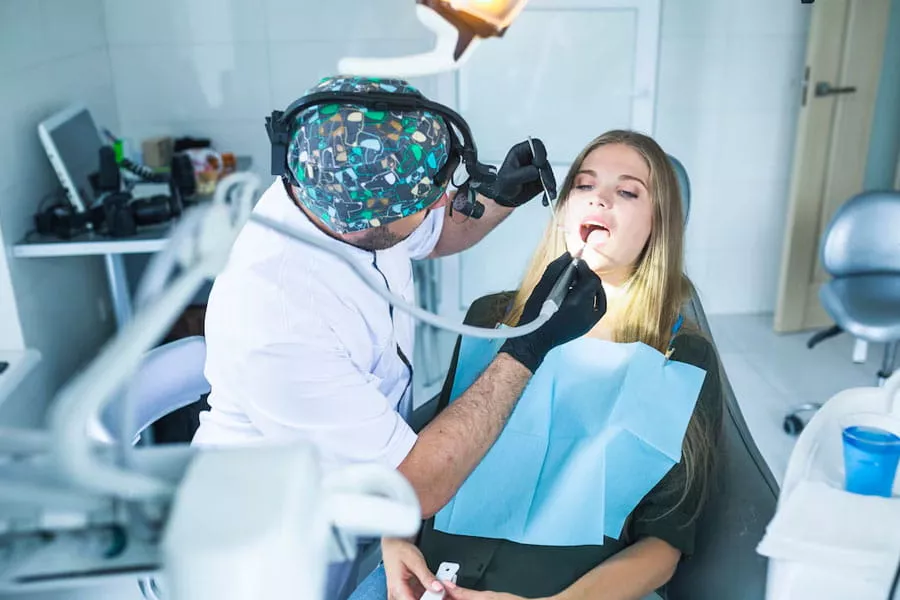
Have you experienced that sharp zing when cold water hits teeth? Yes, many people feel the same. Sensitivity happens when pain sensors respond to triggers like heat, cold, and sugar. Your enamel wears thin over time. Gums pull back. Suddenly the protected parts underneath face the world.
Lots of things cause this mess. Brushing like you’re scrubbing a pot damages enamel gradually. Acidic drinks chip away at protection. Even grinding teeth at night wears things down. Before you know it, simple stuff hurts.
However, hope is there. Special kinds of toothpastes contain potassium nitrate, which calms the nerves by stopping and hence blocking the pain signals from going to the brain. Some other compositions use stannous fluoride to form shield layers over the exposed spots. Both work, just differently.
Tartar and Plaque: The Troublemakers Nobody Likes
Plaque sounds gross because it is. This sticky bacterial gunk clings to teeth constantly. Brush it away, and it returns within hours. Leave it alone for a couple of days, and the result is tartar.
It creates rough patches where bacteria throw parties. These bacteria produce acids that eat away tooth enamel. Your gums get angry and inflamed. Blood shows up when you brush. That’s early gum disease waving hello.
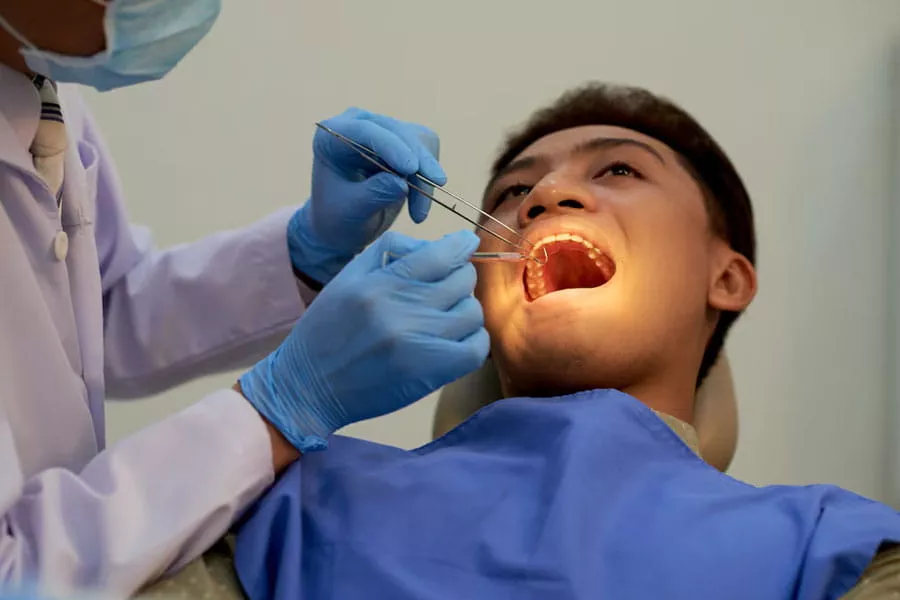
Prevention beats removal every time. Once tartar forms, your dentist needs metal tools to scrape it off. Not fun. Tartar-control toothpaste slows the hardening process, keeping plaque softer longer so you can brush it away.
The trick is cleaning your teeth properly twice a day. Hit that gum line where plaque loves hanging out. Angle your brush toward the gums a bit. Most people miss this spot entirely, then wonder why problems develop.
Whitening Toothpaste: Let’s Get Real
Coffee leaves marks. Wine stains. Tea discolors. Whitening toothpaste handles recent surface stains pretty well. The mild abrasives scrub away fresh deposits without wrecking enamel.
Years of buildup? Different ballgame. Whitening toothpaste cannot reach the deep areas where very tough discoloration is. Professional whitening can go to the place where stains are and work on them. Inform yourself about the product thoroughly before wasting your money on ineffective products.
Watch out for harsh formulas. Some whitening toothpastes contain abrasives that grind down enamel over time. This makes teeth more sensitive eventually. Look for lower abrasiveness scores if you plan on daily use.
Smart approach? Rotate between whitening and regular fluoride toothpaste. Three times weekly gives teeth breaks from constant scrubbing while still improving color gradually. Your enamel handles this better long-term.
Kids and Toothpaste: Different Rules Apply
Little teeth need gentler stuff than adult teeth. Once your kids hit age three, bump up fluoride toothpaste to pea-sized amounts. This protects properly without going overboard.
Watching kids brush matters a ton. Young ones swallow toothpaste instead of spitting. Too much fluoride ingestion causes cosmetic issues in permanent teeth still forming. Teaching correct technique early creates habits that stick.
Bubblegum and strawberry flavors make brushing more fun. But ingredients still matter the most. Skip super sugary formulas that defeat the whole purpose. Check for ADA approval to ensure products meet real safety standards.
Getting kids to brush the right way takes time. They rush and miss spots where plaque builds. Turn it into a game. Brush alongside them. Healthy teeth start with solid habits formed young.
Picking Toothpaste That Actually Suit Your Mouth
A single toothpaste often doesn’t work for everyone. Someone battling gum swelling needs antibacterial ingredients. Another person worried about stains wants gentle whitening. Tartar-prone people need compounds that slow hardening.
Think about your mouth before shopping. Bad breath often means bacterial overgrowth that certain toothpastes target. Bleeding gums suggest inflammation needing therapeutic stuff. Matching products to real problems beats grabbing whatever’s cheapest.
Price doesn’t mean better quality here. Lots of affordable brands pack identical active ingredients to fancy options. Read actual labels instead of believing marketing hype. ADA approval gives independent proof of claims.
Your daily habits matter too. Heavy coffee drinkers probably care about stain removal. Dry mouth sufferers need formulas that won’t make things worse. Consider your situation before buying.
Time to Get Your Smile Right!
Picking appropriate toothpaste genuinely improves dental health. Whether fighting sensitive teeth, tackling plaque build, or keeping teeth and gums healthy, smart choices matter. Perdido Bay Dental’s team helps Pensacola folks find answers tailored to what they actually need.
Professional guidance means selecting products that address real concerns properly. The practice delivers complete care beyond basic cleaning, such as cosmetic work, implants, etc. Experienced pros answer questions about dental care products and correct techniques.
Don’t wait for small troubles to blow up. Book a visit today for a chat about which type of toothpaste fits your mouth best. The experienced and friendly Perdido Bay Dental team simplifies getting the best dental advice. Call now and start moving toward a healthier, brighter smile.
If you’re located in the Pensacola area and needing to schedule a professional cleaning, call us today at (850) 542-4428. Dr. Djuric is one of the leading dentists in the Pensacola area.